

.webp)
Summarize Blog
Quick Summary
Test case prioritization helps QA teams run the most critical tests first, ensuring faster defect detection and more efficient resource use. It streamlines regression testing, improves test coverage, and speeds up feedback loops, making the overall testing process more effective.
In software testing, test case prioritization is the process of determining the order in which test cases should be executed. As part of effective software quality assurance, the goal is to run the most critical tests first to ensure issues are identified early in the testing cycle.
Why does this matter?
- It helps save time and resources by focusing on high-priority tests.
- It speeds up feedback loops, making it easier to fix issues quickly.
- It improves test coverage without running unnecessary tests.
In this guide, we'll explore how test case prioritization in QA can make your testing process more efficient, helping you get better results in less time.
What is Test Case Prioritization?
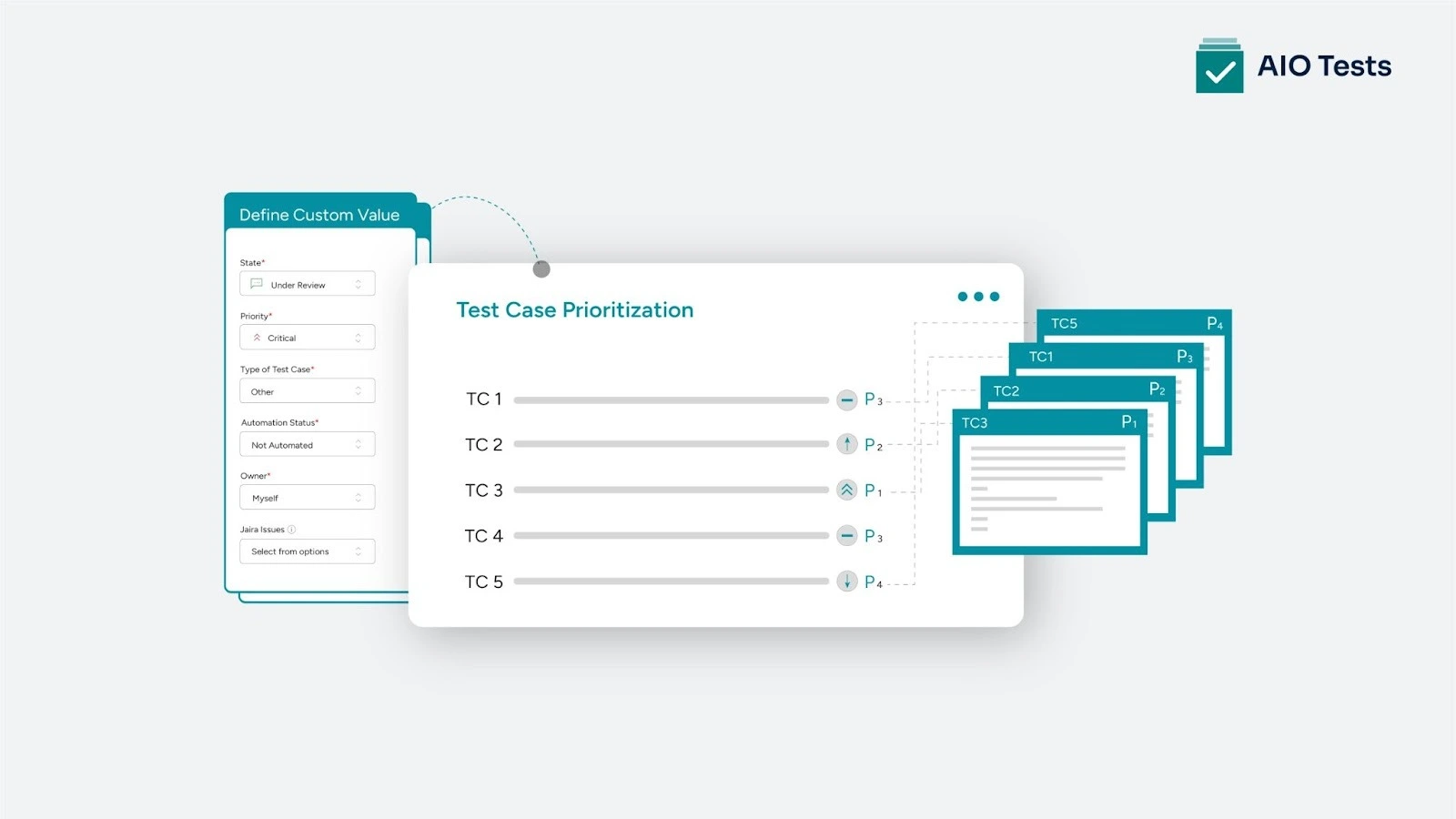
Test case prioritization is simply the process of deciding which test cases to run first across different types of software testing. Instead of running all tests in a random order, prioritization focuses on executing the most critical tests based on certain factors like risk, importance, and functionality.
Why is this important?
- Reduces testing time: By running the most important tests first, you avoid spending time on low-priority cases.
- Identifies critical defects early: Prioritization helps you find major issues before they become bigger problems, saving time in the long run.
- Improves efficiency: You get the most value out of your testing efforts, ensuring that limited resources are used effectively.
In short, test case prioritization helps streamline the testing process, making it faster and more focused on quality.
What is The Importance of Test Case Prioritization in Software Testing
Test case prioritization is crucial at every stage of software testing, but it plays an even more significant role in regression testing. Why does prioritization matter?
- Faster feedback loops: By prioritizing tests, you get quicker feedback on key areas of the software. This allows teams to address critical issues early in the process.
- Better defect detection: Running high-priority tests first helps catch the most impactful defects before they affect other parts of the system. It’s about finding the biggest problems first.
- Effective resource management: Time and resources in testing are limited. Prioritizing test cases ensures that the most important tests are run, making the best use of your available resources.
What Are The Test Case Prioritization Techniques: How to Choose the Right Approach
There are several test case prioritization techniques, each suited to different types of QA testing needs. The key is choosing the right approach based on the project’s goals, the stage of development, and available resources.
Here are some common techniques:
- Risk-based prioritization: This approach focuses on identifying high-risk areas of the software. Test cases that cover the most critical features, or those most likely to fail, are given priority. It helps catch defects early in high-impact areas, especially in software regression testing.
- Requirement-based prioritization: In this method, test cases are prioritized based on the importance of the software requirements they cover. Features linked to core business functionality or high-priority customer requirements are tested first. This ensures that the most crucial functionalities are thoroughly validated.
- Critical path prioritization: This technique targets the most important workflows or “critical paths” in the application. It prioritizes the test cases that validate the core functionality users rely on most. It’s useful for ensuring the software operates as expected in the key areas.
- Randomized prioritization: Sometimes, prioritization can be based on a random order, particularly when there are no clear criteria to establish priority levels. This technique is often used in exploratory testing or when all test cases have an equal weight in terms of risk.
Applying These Techniques in Regression Testing
In regression testing, it's particularly important to apply the right prioritization techniques. Given that you're re-testing existing features, risk-based and requirement-based prioritization are typically the most effective strategies.
Focus on the areas where code changes have occurred or where defects are more likely. This ensures you're covering the most important updates and catching any new issues early.

What Are The Best Practices for Test Case Prioritization
To ensure a smooth and efficient testing process, following best practices for test case prioritization is key. Here are some practical tips to help guide your approach:
1. Align Priorities with Business Requirements
- Start by understanding the core features of the software that directly impact the business.
- Ensure that high-priority test cases focus on business-critical functions, such as revenue-generating features or compliance-related areas.
- This alignment helps ensure you're testing the most important parts of the software first, maximizing the value of your testing efforts.
2. Use Coverage-Based Prioritization
- Prioritize test cases based on how well they cover the critical parts of the code. This can include techniques like:
- Statement coverage: Ensures that every line of code is executed at least once.
- Branch coverage: Ensures all possible decision points in the code are tested.
- These methods help identify critical gaps and areas of the code that are more likely to cause issues if left untested.
3. Assess Risk Exposure
- Not all test cases have the same potential impact. Risk assessment should begin while writing test cases, prioritizing scenarios that cover high-risk areas such as core features or security functions where failures would have the most significant consequences.
- Features that are less critical or less frequently used can be deprioritized, allowing your team to focus on areas that pose higher risks to users or business operations.
4. Identify Dependencies
- Test cases that evaluate interdependent systems or modules should be given higher priority.
- Focusing on dependencies helps uncover potential issues that might affect multiple areas of the software, especially where one module’s failure can trigger a chain reaction in others.
5. Adopt a Test Management Platform
- Use a test management tool to organize and prioritize test cases. These tools can help you:
- Categorize test cases by importance, complexity, or risk.
- Streamline collaboration between testers and QA managers.
- Track progress and identify bottlenecks in real-time.
- Platforms like AIO Tests or others provide a centralized view of your testing efforts, making it easier to stay on top of priorities and adjust as needed.
You can find AIO Tests in Atlassian Marketplace, making it easy for Jira teams to adopt structured test management.
Conclusion
Test case prioritization plays a crucial role in streamlining the QA process and ensuring that testing is both efficient and effective. By focusing on high-priority tests, you can identify defects early, reduce testing time, and improve the overall quality of the software.
Following the test case prioritization guide outlined in this post will help you allocate resources more effectively.
If you’re looking for a solution to automate and manage your test case prioritization, consider checking out AIO Tests. This tool simplifies test management and prioritization, helping you implement these strategies seamlessly.
Start prioritizing your test cases today and see the difference it makes in your QA process. Book a demo with AIO Tests to discover how it can enhance your test planning and improve your overall testing efficiency.

FAQs
- Why should I use test case prioritization in QA?
Implementing test case prioritization in QA means your most impactful tests are run sooner, helping you catch major defects earlier, saving time during test execution, and improving overall software quality. It’s handy when resources are limited or when deadlines are tight.
- How does test case prioritization help in regression testing?
In regression testing, the goal is to verify that recent changes haven’t broken existing functionality. By prioritizing test cases, especially those related to recent code changes, core business functions, or past defects, you ensure regression efforts focus first on the areas most likely to fail.
- Can test case prioritization reduce regression testing time?
Yes, prioritizing tests helps you focus on executing high-value test cases early, which shortens overall regression cycles. Instead of running lengthy regression suites in full, you’ll get faster signals about the health of core features first.
- Does test case prioritization work with manual testing?
Absolutely, prioritization is not limited to automation. Manual testing efforts also benefit when testers know which test cases to tackle first based on priority levels, business impact, or risk.


.svg)

