

Summarize Blog
Quick Summary
Data residency test management helps enterprises secure QA data while meeting geographic and compliance requirements. Explore leading tools offering deployment flexibility, traceability, automation, security, and enterprise-scale test management capabilities.
Choosing an enterprise test management tool involves more than comparing test case management features. Organizations also need to understand where their testing data is stored, how it is protected, and whether the platform aligns with their security and governance requirements.
Test cases, execution results, defect records, screenshots, attachments, and reports often contain sensitive application and business information. As teams operate across different regions, data residency compliance and test data security have become important factors in the software selection process.
The right solution should help enterprises maintain control over their QA data while supporting essential testing capabilities such as automation, traceability, reporting, and integrations. This guide compares the leading data residency test management tools for enterprises, evaluating their deployment options, security considerations, testing features, and suitability for different QA environments.
5 Best Data Residency Test Management Tools for Enterprises in 2027
Organizations need to evaluate where testing data is managed, how teams collaborate, whether the platform integrates with existing development workflows, and whether it supports long-term QA scalability.
The following tools were selected based on their approach to data residency, deployment flexibility, enterprise security considerations, testing capabilities, automation support, integrations, and overall fit for large QA teams.
1. AIO Tests - Best for Jira-Native Data Residency Test Management
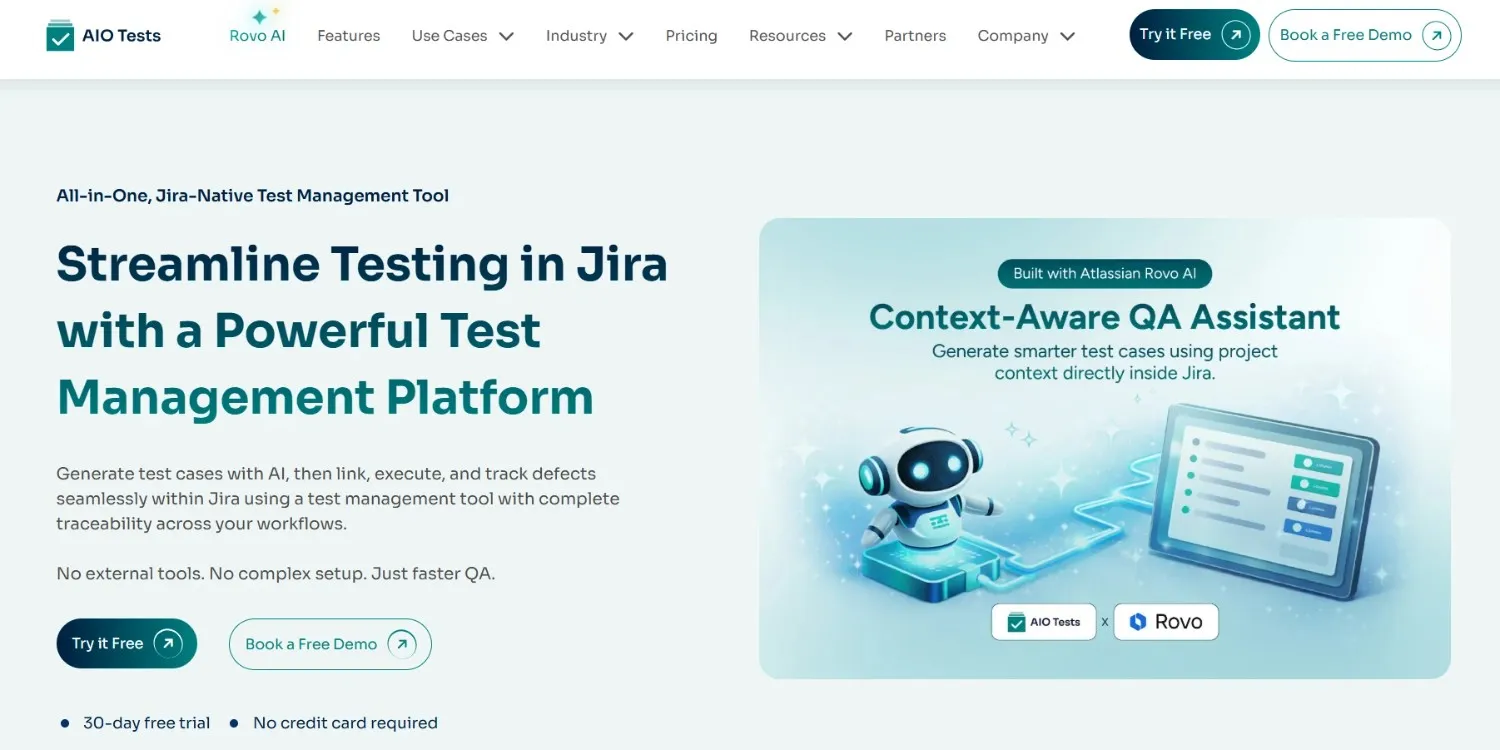
AIO Tests is an AI-powered, Jira-native test management tool that helps QA teams manage test cases, executions, defects, automation results, and reporting directly within Jira. It supports the complete testing lifecycle while keeping requirements, testing activities, and development workflows connected.
The solution helps enterprises evaluate data residency test management requirements while maintaining traceability, automation support, reporting visibility, and scalable QA workflows within the Jira ecosystem.
Key Capabilities:
- Jira-native test case, cycle, execution, and defect management
- Manual testing with Classic and BDD/Gherkin test cases
- Automated testing and CI/CD integrations
- Requirements-to-test-to-defect traceability
- AI-assisted test case generation
- 20+ built-in reports and dashboards
- Migration support from Xray and Zephyr
Pros:
- Complete QA lifecycle management inside Jira
- Strong traceability between requirements, tests, executions, and defects
- Supports both manual and automated testing workflows
- Integrates with popular automation frameworks and CI/CD tools
- Scalable for enterprise QA teams
Cons:
- Best suited for organizations already using Jira
- Teams outside the Atlassian ecosystem may require workflow adjustments
Pricing:
30-day free trial available through Atlassian Marketplace. Demo options are available for enterprise evaluation.
Best For:
Enterprises using Jira that need a connected test management solution with strong traceability, automation support, reporting, and secure QA workflows.

2. TestRail

TestRail is a test management platform that helps QA teams organize test cases, manage test execution, and track testing progress. It supports cloud and self-hosted deployment options, making it suitable for organizations evaluating different infrastructure requirements.
The platform provides structured test management capabilities with reporting, integrations, and workflow support for software testing teams.
Key Capabilities:
- Test case management and organization
- Test planning and execution tracking
- Test reporting and dashboards
- Integration with development and automation tools
- Cloud and self-hosted deployment options
Pros:
- Flexible deployment options
- Strong test planning and reporting capabilities
- Supports integration with existing QA workflows
Cons:
- Less focused on Jira-native workflows compared to Jira-based solutions
- Advanced enterprise requirements may require additional configuration
Pricing:
Pricing varies based on team size, features, and deployment requirements. Enterprise plans are available.
Best For:
Organizations looking for flexible test management deployment options with structured testing workflows.
3. Zephyr

Zephyr by SmartBear is a test management solution designed to help teams plan, execute, and track testing activities. It integrates with Jira and supports Agile testing workflows across development teams.
The platform helps organizations manage test cases, executions, and reporting while connecting testing activities with Jira-based projects.
Key Capabilities:
- Test case creation and management
- Test execution tracking
- Jira integration
- Agile testing workflows
- Test reporting and dashboards
Pros:
- Strong Jira ecosystem alignment
- Supports Agile testing processes
- Provides centralized test visibility
Cons:
- Best suited for teams already using Jira
- Organizations may need additional configuration for complex workflows
Pricing:
Pricing depends on deployment type, team size, and selected features.
Best For:
Teams using Jira that need structured test management capabilities within their development workflows.
4. Xray
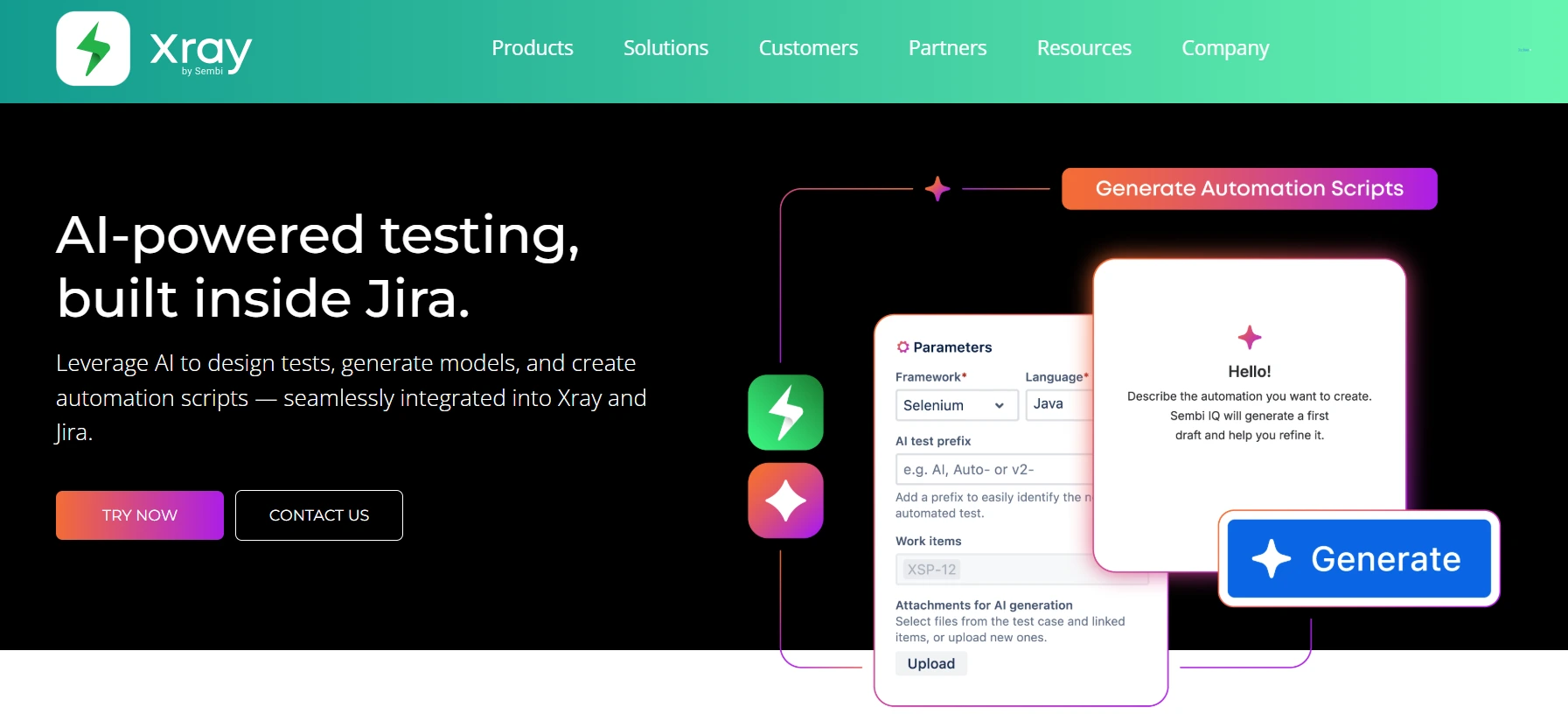
Xray is a Jira-native test management solution that enables teams to manage manual and automated testing within Jira. It focuses on connecting requirements, test cases, executions, and defects throughout the software lifecycle.
The solution is commonly used by teams that need strong traceability and support for structured testing approaches.
Key Capabilities:
- Jira-native test management
- Manual and automated testing support
- BDD/Gherkin support
- Requirements and defect traceability
- CI/CD integrations
Pros:
- Strong Jira integration
- Supports BDD testing workflows
- Maintains end-to-end testing traceability
Cons:
- Primarily designed for Jira environments
- Teams may require Jira expertise for advanced configurations
Pricing:
Pricing varies based on Jira user count, deployment model, and organizational requirements.
Best For:
Jira teams that prioritize traceability, BDD testing, and integrated QA workflows.
5. Tricentis qTest
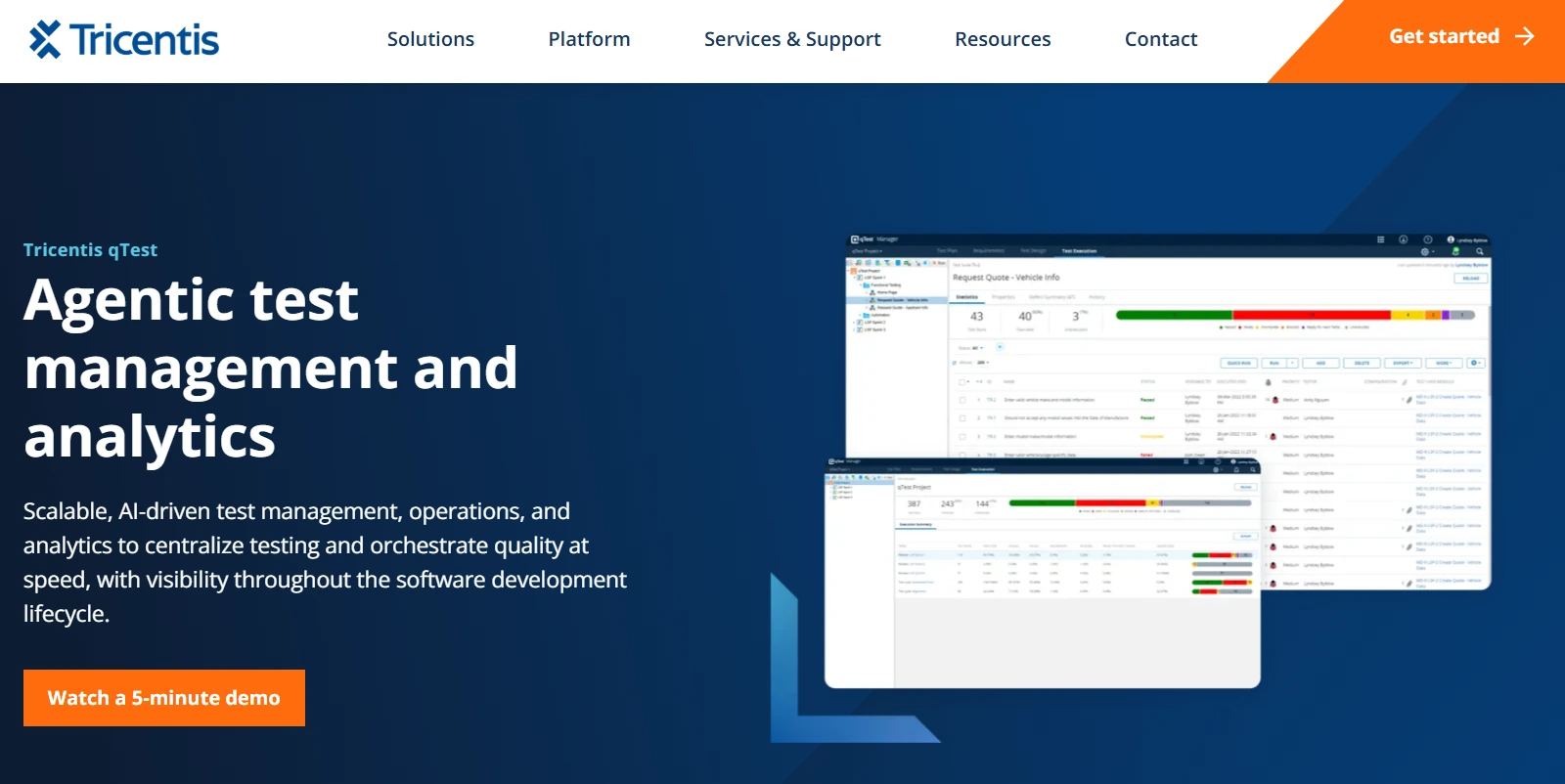
Tricentis qTest is an enterprise test management platform designed for organizations managing complex QA processes across multiple teams and applications.
It provides centralized test planning, execution management, reporting, and automation visibility for large testing environments.
Key Capabilities:
- Enterprise test planning and execution
- Test case management
- Automation result management
- Reporting and analytics
- Integration with development tools
Pros:
- Designed for large-scale QA operations
- Supports complex testing environments
- Provides centralized testing visibility
Cons:
- May require more implementation effort for smaller teams
- Enterprise-focused capabilities may be more than smaller teams need
Pricing:
Pricing is based on enterprise requirements, deployment model, and team needs.
Best For:
Large organizations managing complex QA programs across multiple teams and applications.
Data Residency Test Management Tools Compared
Selecting the right enterprise test management tool requires looking beyond basic testing features. Organizations need to evaluate data residency capabilities alongside Jira compatibility, automation support, reporting, migration options, and overall QA workflow alignment.
The comparison below highlights the key capabilities enterprises should consider when evaluating data residency test management solutions.
Note: Data residency availability, supported regions, and deployment capabilities can vary by vendor and plan. Enterprises should verify current vendor documentation based on their specific geographic, security, and compliance requirements.
Data Residency Requirements for Test Management
For enterprises, selecting a test management tool is not only about managing test cases and executions. QA environments often contain sensitive information, including requirements, defect details, screenshots, test evidence, logs, and application-related data.
Understanding data residency requirements helps organizations evaluate where testing information is stored, processed, and protected while maintaining security, governance, and operational efficiency.
Legal and Regulatory Requirements
Enterprises operating across multiple regions may need to consider geographic requirements for storing and managing business data. These requirements can come from industry regulations, customer contracts, internal policies, or organizational governance standards.
When evaluating a test management solution, organizations should consider:
- Data residency expectations across different regions
- Industry-specific security requirements
- Customer and contractual obligations
- Regional data localisation requirements
- Internal governance policies
It is important to understand that data residency supports better control over data location but does not automatically guarantee regulatory compliance. Organizations should evaluate vendor security practices and compliance documentation based on their specific requirements.
Test Data Security Requirements
Test management systems store more than simple test cases. QA teams may upload screenshots, execution evidence, defect information, logs, and other artifacts that can expose sensitive application or business details.
A secure test management solution should help organizations maintain:
- Protection for test cases, execution results, and attachments
- Encryption of data during storage and transmission
- Access controls and user permissions
- Secure handling of test artifacts and reports
- Audit visibility for testing activities
Strong test data security practices help enterprises maintain control over sensitive QA information throughout the testing lifecycle.
Data Storage and Processing Requirements
Data residency considerations should extend beyond the primary database location. Enterprises should understand how vendors handle:
- Where test data is physically stored
- Where data processing occurs
- Backup and disaster recovery locations
- Data replication across regions
- Third-party service providers involved in processing
For cloud-based solutions, organizations should evaluate the scope of cloud data residency and confirm which data components are covered under the vendor's residency commitments.
Operational and Governance Requirements
Enterprise QA teams also need operational controls that support long-term governance and secure collaboration.
Important considerations include:
- Role-based access controls
- Single sign-on and authentication options
- Audit trails
- Data retention and deletion policies
- Vendor and subprocessor transparency
- Documentation supporting data compliance
By evaluating these requirements before adoption, enterprises can select a test management solution that supports both testing efficiency and organizational security expectations.
How to Choose the Right Data Residency Test Management Tool
Use this checklist to evaluate whether a test management solution aligns with your enterprise QA, security, and data governance requirements:
- Define where your testing data needs to be stored and managed.
- Identify which QA data requires protection, including test cases, execution results, defects, screenshots, attachments, and logs.
- Verify the vendor’s supported data residency locations and deployment options.
- Understand what data is covered under the vendor’s residency commitments.
- Check where data is stored, processed, backed up, and recovered during disaster scenarios.
- Evaluate cloud, Data Center, self-hosted, or dedicated deployment options based on your security needs.
- Review security controls such as role-based access, SSO, encryption, permissions, and audit trails.
- Ensure the tool integrates with your existing Jira, CI/CD, automation frameworks, and development workflows.
- Evaluate support for manual testing, automated testing, reporting, and traceability.
- Assess migration capabilities for existing test cases, execution data, and testing workflows.
- Validate vendor documentation for data compliance and enterprise security requirements.
- Run a proof of concept to confirm the tool fits your QA processes before enterprise adoption.
Conclusion
Selecting the right data residency test management solution requires enterprises to look beyond basic test management features. Factors such as data protection, deployment flexibility, automation support, traceability, reporting, and integration with existing development workflows all play an important role in the final decision.
Each tool in this comparison serves different enterprise requirements. Some organizations may prioritize flexible deployment models, while others may need stronger Jira alignment, automation capabilities, or large-scale testing support.
For Jira-based enterprises, AIO Tests provides a connected approach to managing the complete QA lifecycle within existing workflows. Teams can manage test cases, execution cycles, automation results, defects, reporting, and AI-assisted test creation while maintaining visibility across the testing process.
By bringing testing activities closer to development workflows, enterprises can reduce disconnected processes, improve collaboration, and build a more efficient QA environment.

FAQs
1. What is data residency in test management?
Data residency in test management refers to controlling where testing data is stored and managed geographically. It helps enterprises understand where test cases, execution results, defects, attachments, reports, and other QA information are hosted and processed.
2. Why is data residency important for enterprise test management?
Data residency helps enterprises address security, governance, contractual, and regional data requirements. It allows organizations to better control where sensitive QA information is stored while supporting their broader data compliance and security policies.
3. How do test management tools support data residency requirements?
Test management tools support data residency requirements through options such as regional hosting, cloud data residency, Data Center deployments, or self-hosted environments. Organizations should verify what data is covered, including storage, backups, processing, and disaster recovery.
4. What should enterprises look for in a data-residency-ready test management tool?
Enterprises should evaluate supported regions, deployment options, security controls, Jira and CI/CD integrations, automation capabilities, reporting, traceability, migration support, and vendor documentation around data handling practices.
5. How does data residency affect test data security and compliance?
Data residency can support stronger control over test data location and governance. However, it should be evaluated alongside security measures such as encryption, access controls, audit trails, and compliance documentation to support overall enterprise security requirements.
6. Which test management tools are best for enterprises with data residency requirements?
The right tool depends on an enterprise’s testing environment, security requirements, and deployment preferences. Solutions such as AIO Tests, TestRail, Zephyr, Xray, and Tricentis qTest offer different approaches to enterprise test management, integrations, and deployment flexibility.


.svg)

